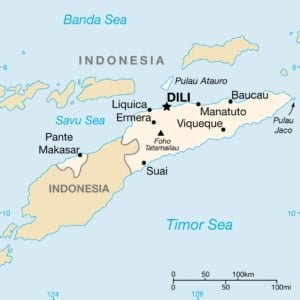
As one of the three largest islands in East Nusa Tenggara (comprising Sumba, Flores and Timor), Timor island is now shared by two independent countries. The island’s eastern part being the newly independent East Timor – or Timor Leste, while the island’s western part is Indonesian territory.
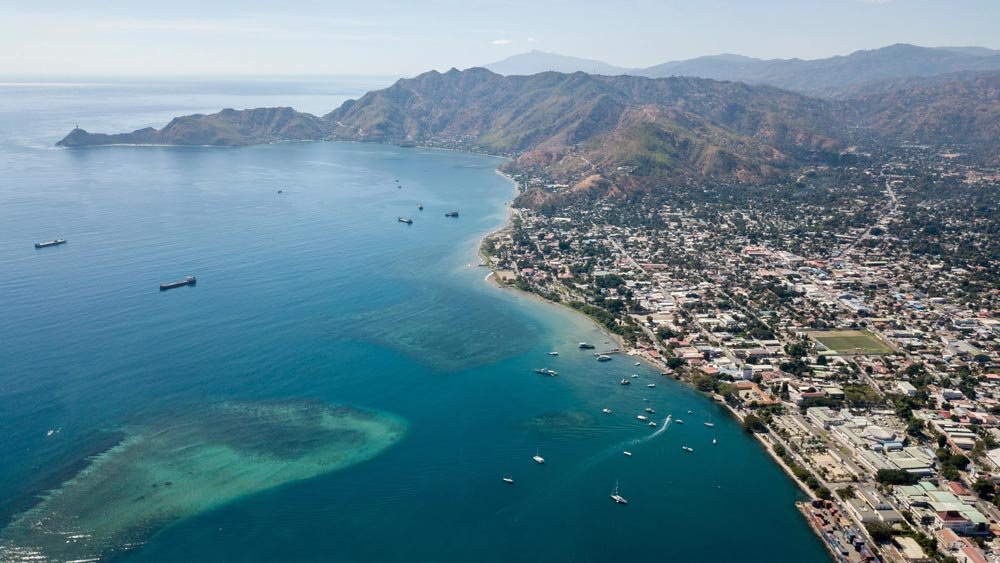
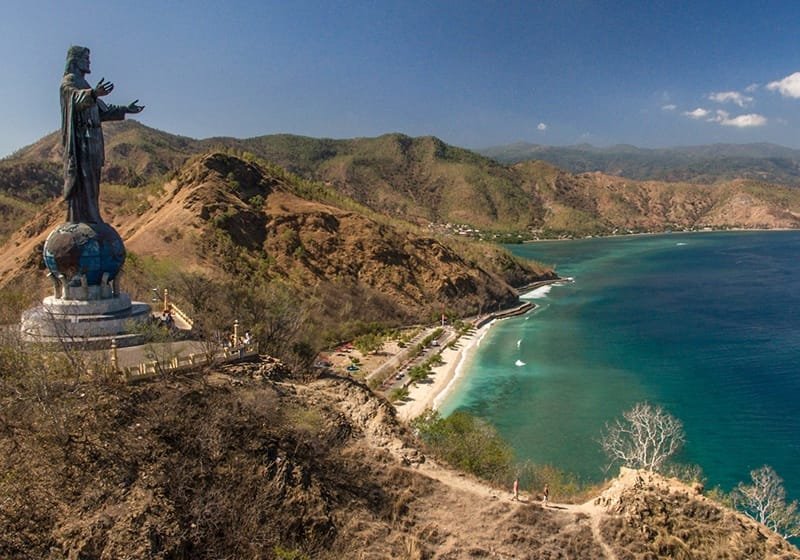
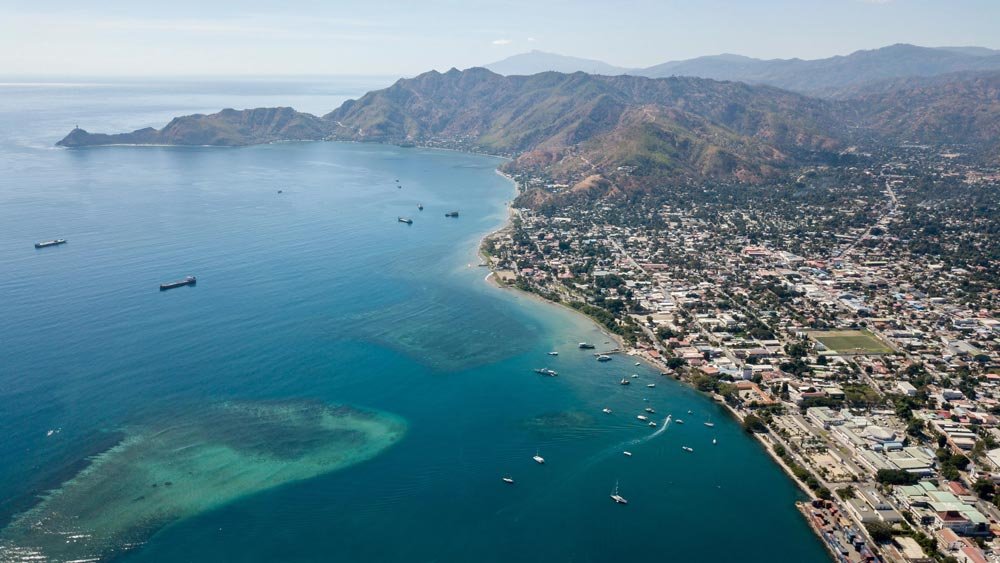
Kupang is the capital city of the province of East Nusa Tenggara, perched in the southwestern part of Timor Island. Meanwhile, Dili is the city and. capital of East Timor.
Dili is the chief port and commercial centre for East Timor; it also has an airport. The population is mostly Timorese and Atonese with minorities of Portuguese, Eurasians, and Arab Muslims.
Topographically, Timor differs from the rest of the East Nusa Tenggara islands. The cause of this is that, unlike other Nusa Tenggara islands, Timor is geologically related to Australia, and therefore has no volcanoes. Meanwhile, its geographical location and long history and tradition make it culturally Indonesian.
The island is surrounded by the Ombai and Wetar Straits of the rougher Banda Sea in the north, and the calmer Timor Sea in the south. Coastal ecosystems around the country are diverse and varied, with vary spatially between the north and south coastlines, as well as between the eastern tip and areas more to the west. These ecosystems include coral reefs, as the country’s waters are part of the Coral Triangle biodiversity hotspot.